SaaS Localization and Global UX Design

As SaaS platforms expand internationally, design choices can determine whether adoption grows smoothly or stalls at the border. Localization and global UX design ensure that products feel native to each market while retaining a consistent brand identity. For enterprises, this is not just about translating text but about creating meaningful, culturally aware experiences.
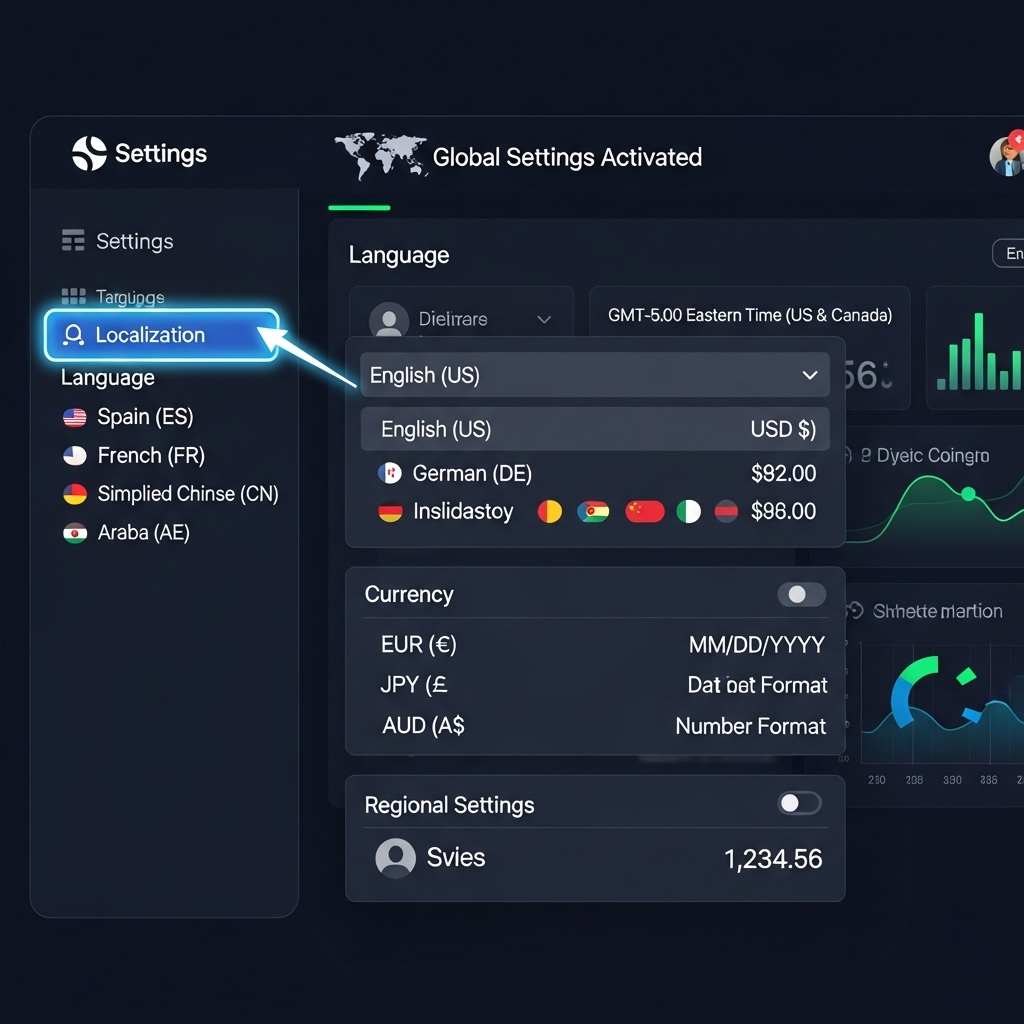
Localization begins with language, but true adaptation goes deeper. Date formats, currency, number separators, and units of measurement all vary across regions. A financial dashboard that makes sense in the United States may confuse users in Europe if decimals and commas are reversed. By addressing these details early, SaaS providers reduce errors and improve trust.
Cultural context also plays a critical role. Design elements that resonate with one audience may appear unprofessional or confusing in another. Color choices, iconography, and imagery must be evaluated carefully. For example, a color associated with prosperity in one culture may signal danger in another. Global UX requires testing with diverse audiences to ensure that the product communicates effectively everywhere.
Performance is another consideration. A SaaS platform that loads quickly in New York may lag in Mumbai without a distributed infrastructure. Global UX means accounting for latency, device differences, and connectivity constraints. Optimizations like content delivery networks and responsive layouts make products accessible regardless of geography.
Consistency should not be overlooked. While tailoring is essential, every localized version should still feel like the same product. A unified design system ensures that branding, interaction patterns, and workflows stay coherent. Users switching between regions or languages should experience familiarity, not fragmentation.
Enterprises that succeed in localization often treat it as a continuous process rather than a one-time project. As markets evolve, feedback loops from regional teams and customers help refine the product. By embedding localization into design strategy, SaaS providers position themselves for long-term global growth.
SaaS localization and global UX design are not optional add-ons. They are essential for scaling internationally. Products that feel local, perform reliably, and remain consistent across regions build trust and loyalty, creating an edge in competitive global markets.