Digital Twin Applications in Business Strategy

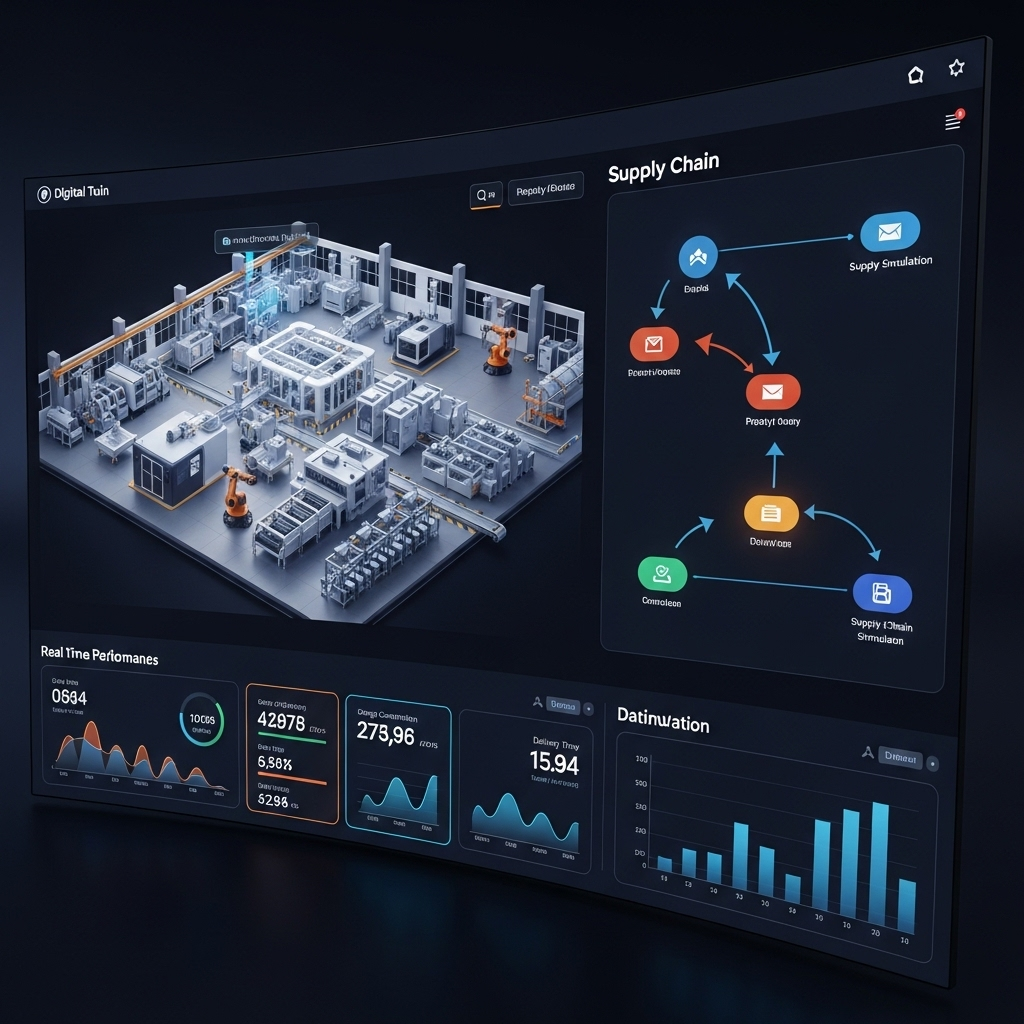
Digital twins have evolved from being engineering tools into strategic assets for enterprises. A digital twin is a virtual representation of a physical process, system, or product that updates in real time. By simulating operations, companies can test scenarios, identify risks, and optimize performance without disrupting reality. For business strategy, digital twins provide a new level of visibility and control.
One of the most impactful applications is in manufacturing. By mirroring production lines digitally, enterprises can predict equipment failures, optimize resource allocation, and simulate process changes before implementing them. This reduces downtime and saves costs while ensuring that factories run at peak efficiency.
In logistics, digital twins allow companies to model entire supply chains. With disruptions now a constant risk, the ability to test how shifts in demand, transportation delays, or geopolitical events might affect operations is invaluable. Strategy teams can adjust inventory levels, reroute shipments, or renegotiate contracts with greater confidence because they are working with data-driven scenarios.
The healthcare and biotech sectors are also adopting digital twin technology. Patient-specific models can simulate treatment outcomes, helping clinicians design personalized care plans. At the enterprise level, hospitals use digital twins to optimize workflows, manage capacity, and improve overall patient experience. These applications illustrate how the technology moves beyond operations to inform strategic planning.
For enterprises focused on sustainability, digital twins are a powerful tool for tracking and reducing environmental impact. By modeling energy use, emissions, and resource consumption, companies can identify where efficiency gains will have the greatest effect. Strategic decisions around facility upgrades or supply chain redesigns become more informed and measurable.
The value of digital twins lies in their ability to bring clarity to complexity. Leaders are no longer making guesses based on static reports but engaging with living models that respond to real-time data. This shift changes the nature of strategy, turning it into a continuous, adaptive process rather than a fixed plan.
Enterprises adopting digital twins must still invest in data infrastructure, governance, and integration. The models are only as accurate as the data they rely on. But for companies ready to embrace them, digital twins offer not just operational insights but a new way of thinking about business strategy itself.