Data Security in UX Workflows

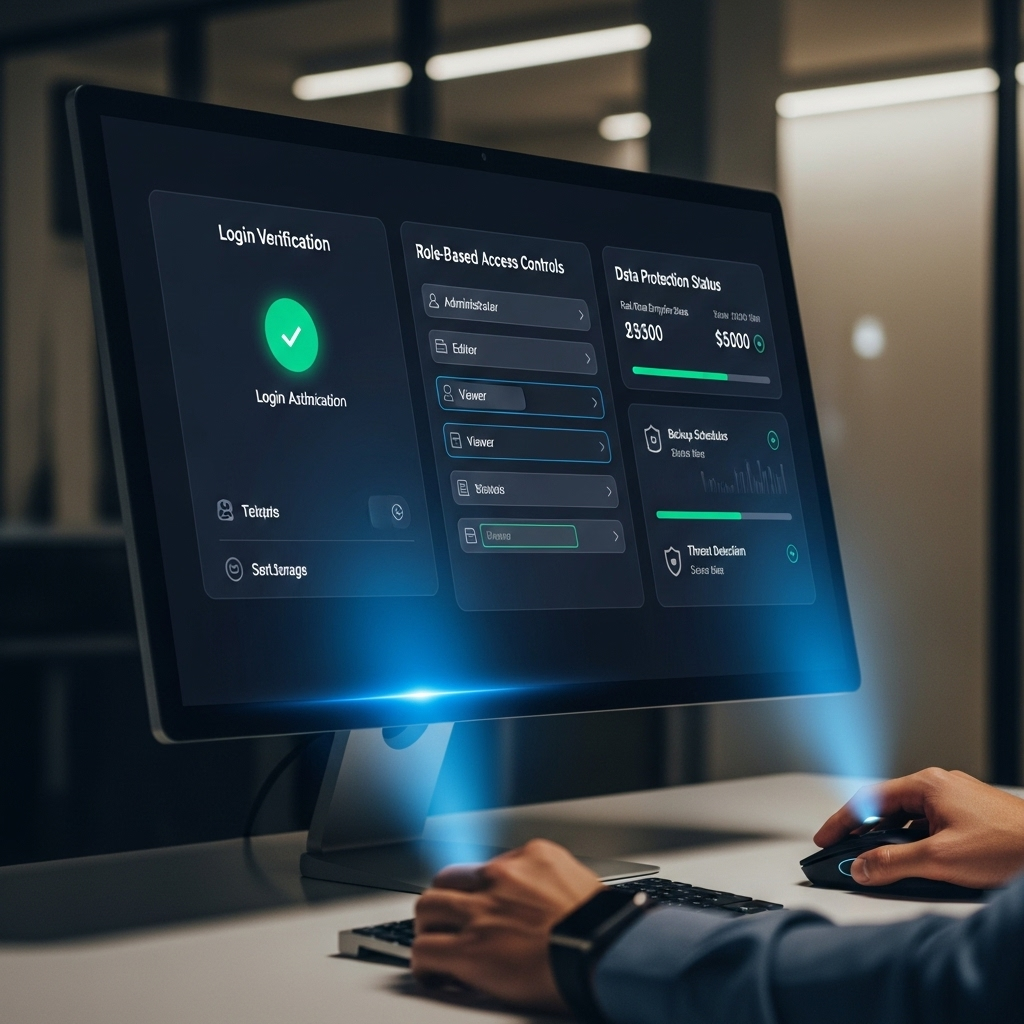
User experience and data security are often treated as separate priorities. Designers focus on usability while engineers focus on protection. In reality, the two are inseparable. If a product feels insecure, users abandon it. If security disrupts usability, users look for workarounds that put data at risk. Strong UX workflows must integrate security as a natural part of the experience.
Designers have the opportunity to make security intuitive rather than intrusive. For example, multi-factor authentication can feel like a frustrating obstacle when poorly designed. But when presented with clear instructions, progress indicators, and a choice of verification methods, the same process feels seamless. Security becomes part of the flow, not a barrier to it.
Clarity is critical. Interfaces must explain why certain permissions are required or how data is being used. When users understand the purpose of a security step, they are far more likely to trust and complete it. Dark patterns that hide consent or overcomplicate privacy settings damage credibility and, over time, drive customers away.
Consistency also matters. If a financial platform uses one style of confirmation for transactions and a completely different style for account changes, users may become confused or hesitant. Consistent patterns create confidence and reduce the risk of errors in high-stakes actions.
In enterprise environments, security in UX is not just about individuals but about teams. Role-based access controls, activity logs, and approval workflows must be designed with clarity. When these tools are confusing, employees either make mistakes or bypass processes entirely. A strong workflow ensures that compliance and productivity reinforce each other rather than clash.
The future of data security in UX will likely rely on automation and AI. Adaptive systems can detect unusual behavior and prompt for verification only when necessary, reducing friction while keeping data safe. The key is balance: security must be invisible when possible and visible when essential.
Designing with security in mind is not about adding extra steps. It is about aligning protection with user goals, creating confidence in every interaction. Products that integrate data security seamlessly into their UX workflows earn not just compliance but long-term trust.