AI-Assisted Quality Assurance in Web Development

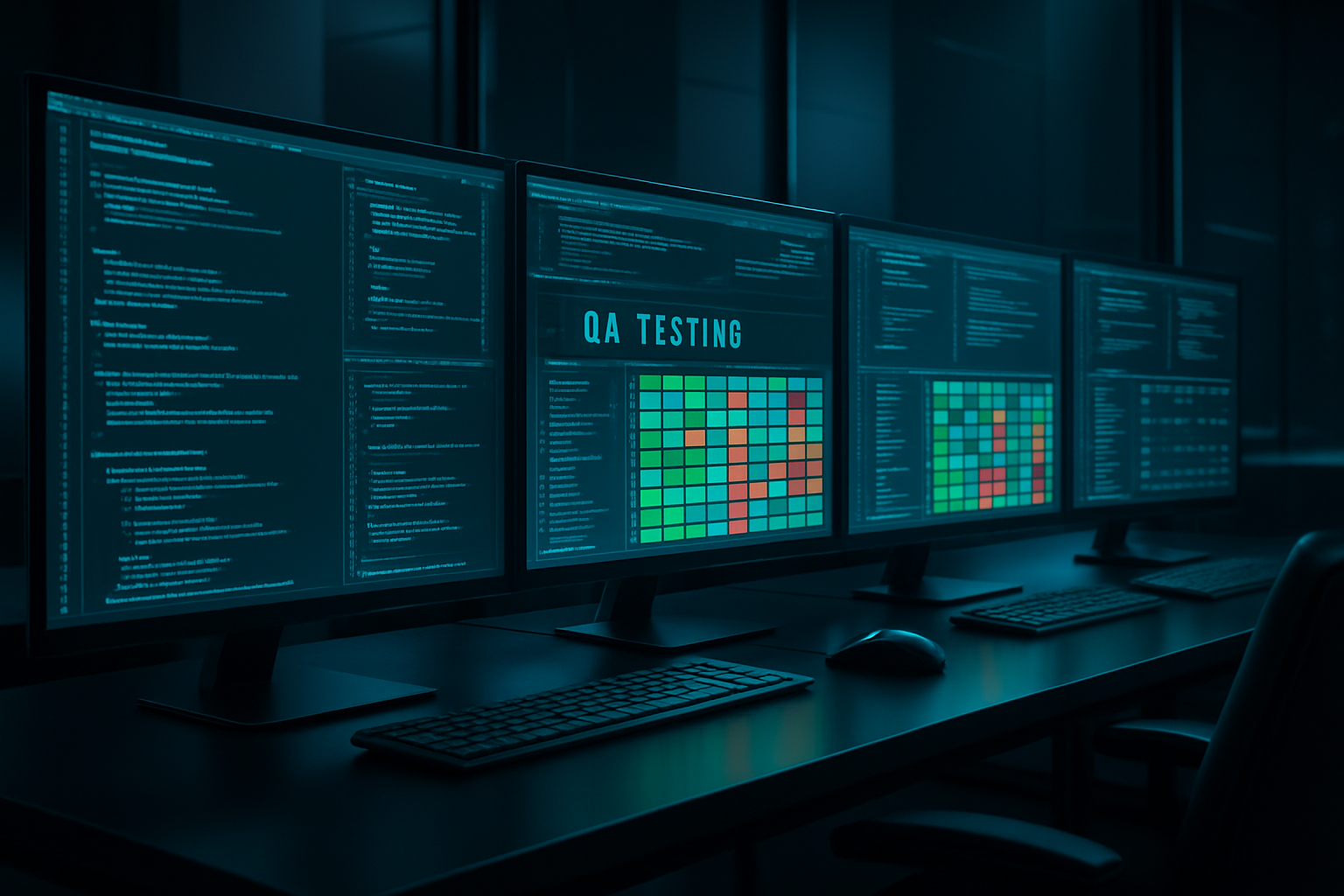
Quality assurance has always been a time-consuming step in web development. Testing for bugs, usability, performance, and accessibility requires patience and precision. Artificial intelligence is transforming this process by turning testing into a proactive, data-driven practice. With AI-assisted quality assurance, development teams can detect issues earlier, automate repetitive checks, and release faster without compromising reliability.
The most significant advantage of AI in QA is pattern recognition. Machine learning algorithms can analyze thousands of test cases, detect anomalies, and identify failure trends that humans might overlook. Instead of waiting for users to report broken pages or performance bottlenecks, teams can anticipate them and address root causes before launch.
Automation is another benefit. Traditional QA often depends on manual scripts or human testers who must repeat the same actions across browsers and devices. AI-based systems learn from previous tests and adjust dynamically, reducing the need for manual intervention. This not only speeds up testing cycles but also improves accuracy, as machines can maintain consistent coverage across complex applications.
AI also enhances visual and behavioral testing. Image recognition algorithms can compare screenshots pixel by pixel to detect subtle layout shifts. Predictive models can simulate user flows, identifying friction points long before usability studies begin. Combined, these techniques allow teams to validate both functionality and user experience simultaneously.
For enterprise-scale products, this shift represents a major productivity gain. Continuous integration pipelines can include intelligent QA modules that adapt to code changes automatically. Developers receive actionable insights in real time, shortening feedback loops and improving collaboration between design, engineering, and QA teams.
However, AI does not eliminate the need for human judgment. Automated systems excel at consistency but lack contextual understanding. Human testers remain essential for interpreting results, prioritizing fixes, and validating that the product aligns with user expectations. The future of QA lies in this partnership — where AI handles precision and humans provide perspective.
AI-assisted quality assurance helps teams build faster, safer, and more resilient digital experiences. It turns testing from a bottleneck into a competitive advantage and ensures that innovation never comes at the cost of quality.